

Commodities Investing NZ
Commodities can play an important role in a diversified investment portfolio, offering exposure to the raw materials that support the global economy. From gold and silver to copper, oil, natural gas and agricultural products, commodities are essential to industries ranging from manufacturing and construction to energy, technology and food production. For investors in New Zealand and Australia, understanding commodities can help identify alternative investment opportunities beyond traditional shares, bonds and property.
One of the main reasons investors consider commodities is diversification. Commodity prices are influenced by supply and demand, inflation expectations, interest rates, currency movements, geopolitical developments and global economic growth. These factors can cause commodities to perform differently from other asset classes, potentially providing a degree of diversification within a broader investment strategy. However, commodity prices can be volatile, and diversification does not eliminate the risk of losses.
Gold remains one of the most widely recognised commodities for investment. Often viewed as a store of value, gold attracts interest during periods of economic uncertainty, financial market volatility and geopolitical tension. Central bank purchases and investor demand can also influence its price. Unlike cash deposits or bonds, physical gold does not pay interest, meaning investors generally rely on price appreciation to generate a return.
Silver offers another avenue for precious metals investment. In addition to its role as a store of wealth, silver is used in electronics, solar panels and other industrial applications. This combination of investment demand and industrial consumption means its price can respond to both financial market conditions and changes in manufacturing activity.
Industrial commodities, including copper and other base metals, can provide exposure to infrastructure development, electrification and technological investment. Meanwhile, agricultural commodities such as wheat, corn and other food products are influenced by weather patterns, crop yields, transport costs and changing global consumption.
New Zealand Investors can access commodities through physical bullion, exchange-traded products, managed funds, futures contracts and shares in commodity-related businesses. Each method carries different costs, risks and liquidity considerations. Physical assets may involve storage and insurance expenses, while derivatives can introduce leverage and the potential for substantial losses.
Before investing, it is important to understand the factors affecting a particular commodity, the structure of the investment and the possibility of losing capital. Commodities do not guarantee positive returns, and prices can decline significantly when market conditions change.
For investors exploring alternative asset classes, commodities offer a way to participate in global markets and the resources underpinning economic activity. The Investment Review examines investment opportunities and market developments across New Zealand, helping readers understand the potential benefits and risks of different investment approaches. Gold Prices today.
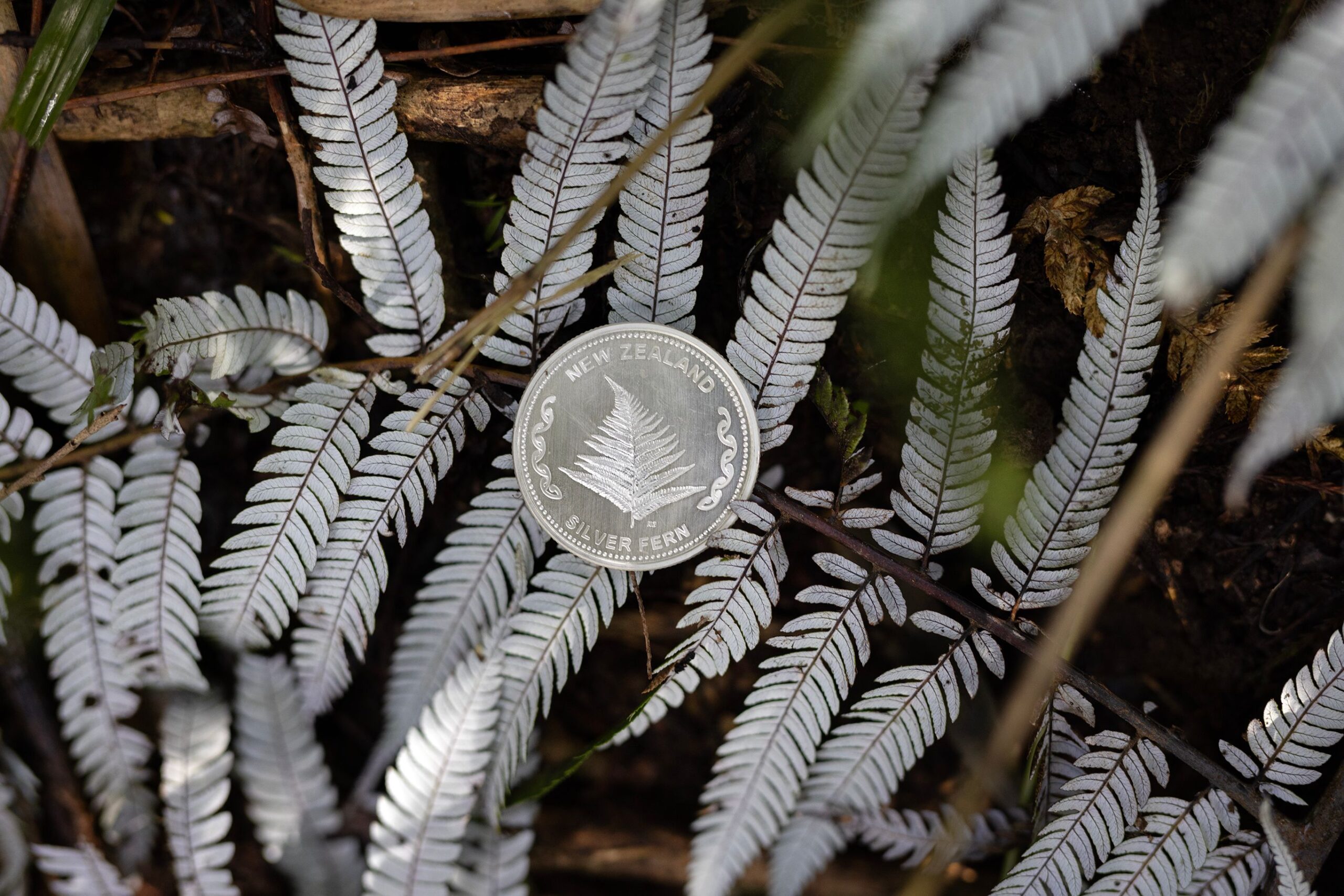
New Zealand Mint provides specialist issuing authority services for businesses seeking to develop and distribute legal tender coins in international markets. Through its exclusive partnership with the Government of Niue, the Auckland-based mint enables commercial partners to access the Niue Coat of Arms or the effigy of His Majesty King Charles III on eligible legal tender coin programmes.
Combining minting expertise with established international relationships, New Zealand Mint works with businesses looking to create distinctive bullion products, commemorative coins and collectible ranges. Its issuing authority services are designed to help partners navigate the approvals process and bring new coin concepts to market with support from a dedicated client success team.
For bullion dealers, financial institutions, distributors and businesses developing specialist coin collections, access to an issuing authority is an important part of establishing a legal tender coin programme. New Zealand Mint supports this process by combining its technical capabilities, product development experience and knowledge of international coin production.
The company’s broader capabilities extend beyond issuing authority services to include coin design, minting, packaging and international fulfilment. This integrated approach allows partners to develop customised programmes tailored to their commercial objectives, whether creating precious metal investment products, branded coin ranges or licensed collectibles.
The partnership with Niue also has an economic and community dimension. According to New Zealand Mint, its work helps support local initiatives, including ocean conservation and youth leadership development, contributing to projects that benefit the island nation.
With its combination of specialist manufacturing expertise, international partnerships and end-to-end production services, New Zealand Mint offers businesses a pathway to developing distinctive legal tender coin programmes for global markets.
For companies exploring bullion, commemorative coins or collectible product development, New Zealand Mint’s issuing authority services provide an opportunity to work with an established New Zealand mint with international reach.
Learn more about New Zealand Mint’s issuing authority services.